Latest member: megamarketTop
Forum threads: 9,610
Forum posts: 134,319
Full Statistics
0 Member(s) | 164 Guest(s)
Applebot, Bing
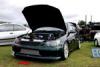
my cars in the fast car mag under edinburgh cruise
by ormi, 11-08-2018, 04:12 PM
low and behold edinburgh cruise pics their she is my little green lady looking all shiney....along with a pic of the engine bay.....need a few more shiney bits under their though just to finish it off.......
just a wee suprise that put a smile on my face....:thumbup::thumbup:
my cars in the fast car mag under edinburgh cruise
by ormi, 11-08-2018, 04:12 PMjust bought the fast car mag turned the pages to the index page and theirs a wee pic of my car so i follow on reading.
low and behold edinburgh cruise pics their she is my little green lady looking all shiney....along with a pic of the engine bay.....need a few more shiney bits under their though just to finish it off.......
just a wee suprise that put a smile on my face....:thumbup::thumbup:

Playstation Move
by parthiban, 11-08-2018, 10:58 AM

Playstation Move
by parthiban, 11-08-2018, 10:58 AMHas anyone got this? Wondering whether it's worth investing in
Drivers!!
by Phil01, 11-08-2018, 08:59 AM
And I must stress that men are as bad as women.
I have spent the last hr sitting in Tesco car park taking my lunch break and I was appalled by the total lack of drivers ability to Drive/Park/observe. At least 60% of drivers lack the basic skill of car control, dont turn the steering wheel when getting out of a parking space, park where its the most convenient for them and not give a **** about others, reverse out onto other drivers.
And I must stress that men are as bad as women.
Fuelsave
by parthiban, 11-08-2018, 08:18 AM
Normally when I go from V Power to regular unleaded there is a noticeable drop in power and the engine sounds less refined. However with this fuel the power drop doesn't seem as big, and if anything the engine sounds quieter (which is odd :blink
Will update this with how many miles I get out of the tank to see whether it's better on consumption, currently averaging 24-25 mpg so a bit more would be nice
Has anyone used the new Shell Fuelsave unleaded on here (thought I read it somewhere but forgotten who)? Thought I'd try it out so put it in my car this morning, and first impressions are pretty good.
Normally when I go from V Power to regular unleaded there is a noticeable drop in power and the engine sounds less refined. However with this fuel the power drop doesn't seem as big, and if anything the engine sounds quieter (which is odd :blink
Will update this with how many miles I get out of the tank to see whether it's better on consumption, currently averaging 24-25 mpg so a bit more would be nice

Go on you know you want to
by Lexusboy, 11-08-2018, 08:10 AM
It seems a lot safer than jumping out a plane to me

http://www.virginexperiencedays.co.uk/ex...for_1_838/
Go on you know you want to
by Lexusboy, 11-08-2018, 08:10 AMIntroductory Indoor Skydiving at Airkix - 2 for 1 at £49
It seems a lot safer than jumping out a plane to me
http://www.virginexperiencedays.co.uk/ex...for_1_838/
Vehicle Maintenance Guide
by Lexusboy, 11-08-2018, 06:27 AM
This guide is meant to supplement the manufacturer recommendations for your specific vehicle, and should not replace such recommendations. This is not meant to be car troubleshooting advice or replace the manufacturers' auto repair manuals.
Explanations of Recommendations
1. Air filter - Replace the air filter about every 15,000 miles for normal driving conditions. A dirty air filter will not cause the engine to run bad, stall, or misfire. A dirty filter can cause reduced fuel economy and higher exhaust emission gases.
2. Antifreeze/Coolant -
Inspect: Check the fluid level in the plastic “overflow reservoir” and the actual level of coolant inside the radiator. You should be able to visually see the coolant level inside the radiator when the engine is cold. Caution: remove the radiator cap only after engine has cooled, and it is safe to do so. If the antifreeze is dirty or rusty colored, or has lost its over heating/anti-freezing capability it should be flushed and replaced. Regular life antifreeze is bright green in color, and the newer “extended” longer life antifreeze is red in color. Either type can be used but should not be mixed together.
Replace: Drain and flush old coolant from the radiator and reservoir bottle, inspect the heater and radiator hoses and clamps for replacement, and install a new radiator cap. A vented replacement radiator cap safely removes hot steam from the radiator and makes emergency road side coolant inspections easier and safer.
3. Battery - Check terminals and cables--loose or dirty battery cables are a common “no start” condition. Cable ends and battery terminals should be cleaned with a wire brush and light sand paper periodically to remove any corrosion build up. Battery terminal protecting spray coatings can also be helpful in reducing the formation of corrosion.
Caution: remove all metal objects like wrist watches and rings before working around a battery—a spark or fire can occur (I have the scars to prove it).
BatteryLoad - Battery "load" is how much load or drain can be placed on the electrical system before the battery begins to discharge itself. Think of it as how much electricity the battery can store before having to be recharged. It is not uncommon for batteries to go completely "flat" or discharged without ever giving a warning signal to the operator. Have the auto mechanic check the car battery condition and load levels at every oil change interval if the battery is over 2 years old to ensure the battery will not leave you unexpectedly stranded.
A weak battery that is not storing enough power will cause the alternator to work harder and possibly cause premature alternator failure. Dirty or corroded battery terminals can severely reduce the lifespan of the battery and alternator. A quick and inexpensive battery check and cable inspection can be done at each oil change. The replacement battery should be the same size, have the same battery cable connections, and should be the same electrical capacity as the original battery.
4. Belts - Check for worn or loose belts. Belts should be replaced if they are worn on the edges, frayed, or cracked. Do not spray silicone or WD40-type chemicals on a noisy belt—it will usually just make the noise worse. Check the tension on each belt, and see if anything is rubbing or coming in contact with it.
5. Brakes-
Inspect: Check the brake fluid level. The fluid level should only need to be slightly topped off occasionally. If more than 2 oz. of fluid is needed, the brake system should be inspected for leaks and component wear. Add only the recommended type of brake fluid as listed in the owner’s manual. Do not add any other fluid to the brake fluid reservoir, and keep all foreign objects like fingers out of the fluid. The fluid in the reservoir should be clear in appearance and free of dirt and debris.
Replace: Brake fluid retains moisture and should be flushed and re-bled (remove the air from the system) to keep brakes working effectively.
Check brake pad and shoe wear. Don’t wait until you hear grinding noises to have the brakes inspected. Have brakes checked periodically for wear. Some warning signs of brake problems are: noises when brakes are applied, the steering wheel shakes when brakes are applied, needing to add more than 2 oz of brake fluid to the brake fluid reservoir, a soft or squishy brake pedal, or the brake pedal goes to the floor slowly while brakes are applied.
6. Differential Fluid – (A rear differential is only found on rear wheel drive cars and trucks.)
Inspect: The rear differential (commonly referred to as the rear end) fluid or grease should be checked during each routine oil change and topped off as needed with the fluid prescribed in the owner’s manual.
Replace: Drain and flush the rear end fluid periodically to remove any metal filings that have normally accumulated in the differential housing. Replace the differential cover gasket and add any recommended supplemental additive prescribed in the owner’s manual.
7. Fuel Filter - Fuel filters become clogged with dirt and debris during normal operation and should be replaced to increase performance, extend fuel pump life, and aid in fuel economy.
8. Radiator and Heater Hoses -
Inspect: To check for leaks or bulges with the engine cold, squeeze the radiator hoses with one hand at all points along the hose. If soft spots, bulges, or a "cracking feeling" is identified, replace ALL water hoses at the same time.
Replace: Replace all water hoses including heater, bypass, and radiator hoses at the same time. The coolant and radiator cap should also be replaced at this time.
9. Engine Oil -
Inspect: Check oil level when engine is cold and with vehicle on level ground.
Replace: Change oil and filter. Check all fluids, tires and air pressure, air filter, belts and hoses and spare tire condition when changing the engine oil. This is also a great time to clean the corrosion from the battery cables. Check owners manual for specific oil recommendation.
10. Power Steering Fluid
Inspect: Check level. Power steering fluid can either be pink or clear in color, usually only a very small amount is needed to top off fluid level. If more than 2 oz. is needed, have the system checked for leaks or wear.
Replace: Power steering fluid just like any other fluid becomes dirty and contaminated and should be replaced with clean fluid periodically. Dirty power steering fluid can cause the power steering pump or the power steering gear assemblies to fail and can cause premature wear to occur.
11. Shock Absorbers and Struts -
Inspect: Check for fluid leaks around the shock. Some shocks are filled with oil and a visible fluid leak can be detected. Excessive bumpy ride, leaning, or swaying in one direction more than normal on brake application or around turns can also indicate worn or damaged shocks.
Replace: Replace all four shocks/struts at the same time to get maximum benefit and drivability. In some cases a wheel alignment should be performed after new struts are installed.
12. Spark Plugs - Worn or faulty spark plugs can cause misfire, poor fuel mileage, loss of power, and slow or extended starting time. Spark plug wires should be replaced when replacing spark plugs.
13. Spark Plug Wires - Spark plug wires should be replaced when replacing spark plugs to get maximum performance and life expectancy of spark plugs.
14. Tires --
Inspect: Check pressure and tread wear. Check air pressure cold unless otherwise described in the owner's manual. Inspect tires for uneven tread wear, punctures, bulges, or cuts in sidewall of the tire.
Rotate and balance: Routine rotation and balancing can greatly extend the life of your tires. Most front end "shake and shimmy" complaints can be attributed to out of balance, or out of round tires. Ask your mechanic if he would inspect the brakes for free when rotating and balance tires.
Vehicle Maintenance Guide
by Lexusboy, 11-08-2018, 06:27 AMThis schedule is appropriate for most European and Japanese Cars. As always, consult your owner’s manual for specific items related to your make and model. Information and instructions in your owner’s manual supersede this repair schedule, which means that if your manual recommends replacing the timing belt at 50,000 miles, do not wait until the 60,000
This guide is meant to supplement the manufacturer recommendations for your specific vehicle, and should not replace such recommendations. This is not meant to be car troubleshooting advice or replace the manufacturers' auto repair manuals.
Explanations of Recommendations
1. Air filter - Replace the air filter about every 15,000 miles for normal driving conditions. A dirty air filter will not cause the engine to run bad, stall, or misfire. A dirty filter can cause reduced fuel economy and higher exhaust emission gases.
2. Antifreeze/Coolant -
Inspect: Check the fluid level in the plastic “overflow reservoir” and the actual level of coolant inside the radiator. You should be able to visually see the coolant level inside the radiator when the engine is cold. Caution: remove the radiator cap only after engine has cooled, and it is safe to do so. If the antifreeze is dirty or rusty colored, or has lost its over heating/anti-freezing capability it should be flushed and replaced. Regular life antifreeze is bright green in color, and the newer “extended” longer life antifreeze is red in color. Either type can be used but should not be mixed together.
Replace: Drain and flush old coolant from the radiator and reservoir bottle, inspect the heater and radiator hoses and clamps for replacement, and install a new radiator cap. A vented replacement radiator cap safely removes hot steam from the radiator and makes emergency road side coolant inspections easier and safer.
3. Battery - Check terminals and cables--loose or dirty battery cables are a common “no start” condition. Cable ends and battery terminals should be cleaned with a wire brush and light sand paper periodically to remove any corrosion build up. Battery terminal protecting spray coatings can also be helpful in reducing the formation of corrosion.
Caution: remove all metal objects like wrist watches and rings before working around a battery—a spark or fire can occur (I have the scars to prove it).
BatteryLoad - Battery "load" is how much load or drain can be placed on the electrical system before the battery begins to discharge itself. Think of it as how much electricity the battery can store before having to be recharged. It is not uncommon for batteries to go completely "flat" or discharged without ever giving a warning signal to the operator. Have the auto mechanic check the car battery condition and load levels at every oil change interval if the battery is over 2 years old to ensure the battery will not leave you unexpectedly stranded.
A weak battery that is not storing enough power will cause the alternator to work harder and possibly cause premature alternator failure. Dirty or corroded battery terminals can severely reduce the lifespan of the battery and alternator. A quick and inexpensive battery check and cable inspection can be done at each oil change. The replacement battery should be the same size, have the same battery cable connections, and should be the same electrical capacity as the original battery.
4. Belts - Check for worn or loose belts. Belts should be replaced if they are worn on the edges, frayed, or cracked. Do not spray silicone or WD40-type chemicals on a noisy belt—it will usually just make the noise worse. Check the tension on each belt, and see if anything is rubbing or coming in contact with it.
5. Brakes-
Inspect: Check the brake fluid level. The fluid level should only need to be slightly topped off occasionally. If more than 2 oz. of fluid is needed, the brake system should be inspected for leaks and component wear. Add only the recommended type of brake fluid as listed in the owner’s manual. Do not add any other fluid to the brake fluid reservoir, and keep all foreign objects like fingers out of the fluid. The fluid in the reservoir should be clear in appearance and free of dirt and debris.
Replace: Brake fluid retains moisture and should be flushed and re-bled (remove the air from the system) to keep brakes working effectively.
Check brake pad and shoe wear. Don’t wait until you hear grinding noises to have the brakes inspected. Have brakes checked periodically for wear. Some warning signs of brake problems are: noises when brakes are applied, the steering wheel shakes when brakes are applied, needing to add more than 2 oz of brake fluid to the brake fluid reservoir, a soft or squishy brake pedal, or the brake pedal goes to the floor slowly while brakes are applied.
6. Differential Fluid – (A rear differential is only found on rear wheel drive cars and trucks.)
Inspect: The rear differential (commonly referred to as the rear end) fluid or grease should be checked during each routine oil change and topped off as needed with the fluid prescribed in the owner’s manual.
Replace: Drain and flush the rear end fluid periodically to remove any metal filings that have normally accumulated in the differential housing. Replace the differential cover gasket and add any recommended supplemental additive prescribed in the owner’s manual.
7. Fuel Filter - Fuel filters become clogged with dirt and debris during normal operation and should be replaced to increase performance, extend fuel pump life, and aid in fuel economy.
8. Radiator and Heater Hoses -
Inspect: To check for leaks or bulges with the engine cold, squeeze the radiator hoses with one hand at all points along the hose. If soft spots, bulges, or a "cracking feeling" is identified, replace ALL water hoses at the same time.
Replace: Replace all water hoses including heater, bypass, and radiator hoses at the same time. The coolant and radiator cap should also be replaced at this time.
9. Engine Oil -
Inspect: Check oil level when engine is cold and with vehicle on level ground.
Replace: Change oil and filter. Check all fluids, tires and air pressure, air filter, belts and hoses and spare tire condition when changing the engine oil. This is also a great time to clean the corrosion from the battery cables. Check owners manual for specific oil recommendation.
10. Power Steering Fluid
Inspect: Check level. Power steering fluid can either be pink or clear in color, usually only a very small amount is needed to top off fluid level. If more than 2 oz. is needed, have the system checked for leaks or wear.
Replace: Power steering fluid just like any other fluid becomes dirty and contaminated and should be replaced with clean fluid periodically. Dirty power steering fluid can cause the power steering pump or the power steering gear assemblies to fail and can cause premature wear to occur.
11. Shock Absorbers and Struts -
Inspect: Check for fluid leaks around the shock. Some shocks are filled with oil and a visible fluid leak can be detected. Excessive bumpy ride, leaning, or swaying in one direction more than normal on brake application or around turns can also indicate worn or damaged shocks.
Replace: Replace all four shocks/struts at the same time to get maximum benefit and drivability. In some cases a wheel alignment should be performed after new struts are installed.
12. Spark Plugs - Worn or faulty spark plugs can cause misfire, poor fuel mileage, loss of power, and slow or extended starting time. Spark plug wires should be replaced when replacing spark plugs.
13. Spark Plug Wires - Spark plug wires should be replaced when replacing spark plugs to get maximum performance and life expectancy of spark plugs.
14. Tires --
Inspect: Check pressure and tread wear. Check air pressure cold unless otherwise described in the owner's manual. Inspect tires for uneven tread wear, punctures, bulges, or cuts in sidewall of the tire.
Rotate and balance: Routine rotation and balancing can greatly extend the life of your tires. Most front end "shake and shimmy" complaints can be attributed to out of balance, or out of round tires. Ask your mechanic if he would inspect the brakes for free when rotating and balance tires.
Transmission Slipping
by Lexusboy, 11-08-2018, 06:13 AM
Regular servicing of the transmission can provide longer life expectancy, smoother shifting, and increased performance. I have provided free maintenance schedules on my Website to assist you with regularly scheduled maintenance items like this.
Some fast lube places service transmissions by "flushing" the transmission using a special machine that acts like a blood transfusion machine. It pumps out the transmission fluid, filters it, then recirculates it back into the transmission several times until the fluid is clean. I have mixed emotions about this procedure. Yes, I will agree that with this machine it is possible to remove more of the old dirty fluid from inside the transmission than the conventional method of removing the transmission pan, draining the fluid and replacing the internal filter, but I feel very strongly that the internal filter should also be changed. Metal and plastic debris become lodged in the filter, and I have seen the filter itself break down and become compacted to the point that it restricts fluid flow.
If the fluid has become contaminated with water or some other foreign fluid, then I would recommend the flush method, but for regular maintenance I prefer the tried-and-true way of draining the old fluid and replacing the filter. If you have any doubt as to what method would be right for your vehicle, seek the advice of a qualified transmission shop. I really feel the reason these fast lube places have adopted this flush method is because it lessons the chance of "mechanic error" while removing the transmission pan and filter, not necessarily because it is the best way to perform transmission maintenance.
Higher Mileage Cars
If your vehicle has high mileage (> 80,000 miles) and regular transmission servicing has been preformed as recommended, seek the advice of a qualified transmission shop if you experience a problem such as:
Slipping
Hard or erratic shifting
Slow to shift when engine is cold (first thing in the morning)
If your vehicle has high mileage (> 80,000 miles) and the transmission has not been maintained, I would not recommend replacing the fluid and filter. The fluid that has been in the transmission all this time has become dirty and gritty. This gritty fluid is actually providing needed friction for the worn internal parts of the transmission. Changing the fluid and replacing the filter would remove this friction that the internal transmission parts have become dependent on. If you have not been regularly maintaining the transmission throughout the life of the car, you might actually be doing more harm than good if you replace the transmission fluid at this point. For example, putting new clean slick transmission fluid in an older high mileage vehicle could cause the transmission to slip.
If you are not experiencing a problem, have over 80,000 miles on your car, and have not kept up regular maintenance on the transmission, my advice would be to leave the transmission fluid and filter alone. If you are experiencing a transmission problem like those listed above, seek the advice of a qualified transmission shop before allowing your regular mechanic to service the transmission.
Transmission Slipping
by Lexusboy, 11-08-2018, 06:13 AMIf it is a newer vehicle with less than 80,000 miles, I would recommend regular servicing of the transmission every 25,000 miles, including changing the fluid and internal filter. It is important that you maintain the transmission early on in the life of the vehicle, or you could set yourself up for real trouble if you change the transmission fluid later on (discussed below).
Regular servicing of the transmission can provide longer life expectancy, smoother shifting, and increased performance. I have provided free maintenance schedules on my Website to assist you with regularly scheduled maintenance items like this.
Some fast lube places service transmissions by "flushing" the transmission using a special machine that acts like a blood transfusion machine. It pumps out the transmission fluid, filters it, then recirculates it back into the transmission several times until the fluid is clean. I have mixed emotions about this procedure. Yes, I will agree that with this machine it is possible to remove more of the old dirty fluid from inside the transmission than the conventional method of removing the transmission pan, draining the fluid and replacing the internal filter, but I feel very strongly that the internal filter should also be changed. Metal and plastic debris become lodged in the filter, and I have seen the filter itself break down and become compacted to the point that it restricts fluid flow.
If the fluid has become contaminated with water or some other foreign fluid, then I would recommend the flush method, but for regular maintenance I prefer the tried-and-true way of draining the old fluid and replacing the filter. If you have any doubt as to what method would be right for your vehicle, seek the advice of a qualified transmission shop. I really feel the reason these fast lube places have adopted this flush method is because it lessons the chance of "mechanic error" while removing the transmission pan and filter, not necessarily because it is the best way to perform transmission maintenance.
Higher Mileage Cars
If your vehicle has high mileage (> 80,000 miles) and regular transmission servicing has been preformed as recommended, seek the advice of a qualified transmission shop if you experience a problem such as:
Slipping
Hard or erratic shifting
Slow to shift when engine is cold (first thing in the morning)
If your vehicle has high mileage (> 80,000 miles) and the transmission has not been maintained, I would not recommend replacing the fluid and filter. The fluid that has been in the transmission all this time has become dirty and gritty. This gritty fluid is actually providing needed friction for the worn internal parts of the transmission. Changing the fluid and replacing the filter would remove this friction that the internal transmission parts have become dependent on. If you have not been regularly maintaining the transmission throughout the life of the car, you might actually be doing more harm than good if you replace the transmission fluid at this point. For example, putting new clean slick transmission fluid in an older high mileage vehicle could cause the transmission to slip.
If you are not experiencing a problem, have over 80,000 miles on your car, and have not kept up regular maintenance on the transmission, my advice would be to leave the transmission fluid and filter alone. If you are experiencing a transmission problem like those listed above, seek the advice of a qualified transmission shop before allowing your regular mechanic to service the transmission.
Engine Smoking
by Lexusboy, 11-08-2018, 06:09 AM
Smoke coming from the tailpipe is not good news, but does not necessarily mean the engine needs rebuilding. First, you need to determine what color of smoke is coming from the exhaust. The three most common colors of smoke that can be emitted from the engine and billow from the tailpipe are as follows:
White smoke: White smoke is caused by water and or antifreeze entering the cylinder, and the engine trying to burn it with the fuel. The white smoke is steam. There are special gaskets (head gaskets are the primary gaskets) that keep the antifreeze from entering the cylinder area. The cylinder is where the fuel and air mixture are being compressed and burned. Any amount of antifreeze that enters this area will produce a white steam that will be present at the tailpipe area.
If white smoke is present, check to see if the proper amount of antifreeze is inside the radiator and the overflow bottle. Also check to see if antifreeze has contaminated the engine oil. You can look at the engine oil dipstick, or look at the under side of the engine oil filler cap. If the oil is contaminated with antifreeze, it will have the appearance of a chocolate milkshake. Do not start the engine if the oil is contaminated with antifreeze, as serious internal engine damage can result.
How did antifreeze get in the oil or cylinder in the first place? The engine probably overheated and a head gasket failed due to excessive heat, thus allowing antifreeze to enter the cylinder (Where it is not meant to be).
Blue Smoke: Blue smoke is caused by engine oil entering the cylinder area and being burned along with the fuel air mixture. As with the white smoke, just a small drop of oil leaking into the cylinder can produce blue smoke out the tailpipe. Blue smoke is more likely in older or higher mileage vehicles than newer cars with fewer miles.
How did the engine oil get inside the cylinder in the first place? The car has many seals, gaskets, and O-rings that are designed to keep the engine oil from entering the cylinder, and one of them has failed. If too much oil leaks into the cylinder and fouls the spark plug, it will cause a misfire (engine miss) in that cylinder, and the spark plug will have to be replaced or cleaned of the oil. Using thicker weight engine oil or an oil additive designed to reduce oil leaks might help reduce the amount of oil leaking into the cylinder.
Black Smoke: Black smoke is caused by excess fuel that has entered the cylinder area and cannot be burned completely. Another term for excess fuel is "running rich." Poor fuel mileage is also a common complaint when black smoke comes out of the tailpipe. Black smoke out the tailpipe is the least cause for alarm. Excess fuel will usually effect engine performance, reduce fuel economy, and produce a fuel odor.
How did the fuel get into the cylinder in the first place? Some of the causes of excess fuel are a carburetor that is out of adjustment, a faulty fuel pump, a leaky fuel injector, or a faulty engine computer or computer sensor. If black smoke is present, check the engine oil as in the white smoke example to make sure excess fuel has not contaminated it. Do not start the engine if a heavy, raw fuel smell can be detected in the engine oil. Call your mechanic and advise him of what you have found.
I hope this helps you determine what could be causing your engine smoke, and the possible reasons behind the smoke.
Engine Smoking
by Lexusboy, 11-08-2018, 06:09 AMCar Exhaust Smoke?
Smoke coming from the tailpipe is not good news, but does not necessarily mean the engine needs rebuilding. First, you need to determine what color of smoke is coming from the exhaust. The three most common colors of smoke that can be emitted from the engine and billow from the tailpipe are as follows:
White smoke: White smoke is caused by water and or antifreeze entering the cylinder, and the engine trying to burn it with the fuel. The white smoke is steam. There are special gaskets (head gaskets are the primary gaskets) that keep the antifreeze from entering the cylinder area. The cylinder is where the fuel and air mixture are being compressed and burned. Any amount of antifreeze that enters this area will produce a white steam that will be present at the tailpipe area.
If white smoke is present, check to see if the proper amount of antifreeze is inside the radiator and the overflow bottle. Also check to see if antifreeze has contaminated the engine oil. You can look at the engine oil dipstick, or look at the under side of the engine oil filler cap. If the oil is contaminated with antifreeze, it will have the appearance of a chocolate milkshake. Do not start the engine if the oil is contaminated with antifreeze, as serious internal engine damage can result.
How did antifreeze get in the oil or cylinder in the first place? The engine probably overheated and a head gasket failed due to excessive heat, thus allowing antifreeze to enter the cylinder (Where it is not meant to be).
Blue Smoke: Blue smoke is caused by engine oil entering the cylinder area and being burned along with the fuel air mixture. As with the white smoke, just a small drop of oil leaking into the cylinder can produce blue smoke out the tailpipe. Blue smoke is more likely in older or higher mileage vehicles than newer cars with fewer miles.
How did the engine oil get inside the cylinder in the first place? The car has many seals, gaskets, and O-rings that are designed to keep the engine oil from entering the cylinder, and one of them has failed. If too much oil leaks into the cylinder and fouls the spark plug, it will cause a misfire (engine miss) in that cylinder, and the spark plug will have to be replaced or cleaned of the oil. Using thicker weight engine oil or an oil additive designed to reduce oil leaks might help reduce the amount of oil leaking into the cylinder.
Black Smoke: Black smoke is caused by excess fuel that has entered the cylinder area and cannot be burned completely. Another term for excess fuel is "running rich." Poor fuel mileage is also a common complaint when black smoke comes out of the tailpipe. Black smoke out the tailpipe is the least cause for alarm. Excess fuel will usually effect engine performance, reduce fuel economy, and produce a fuel odor.
How did the fuel get into the cylinder in the first place? Some of the causes of excess fuel are a carburetor that is out of adjustment, a faulty fuel pump, a leaky fuel injector, or a faulty engine computer or computer sensor. If black smoke is present, check the engine oil as in the white smoke example to make sure excess fuel has not contaminated it. Do not start the engine if a heavy, raw fuel smell can be detected in the engine oil. Call your mechanic and advise him of what you have found.
I hope this helps you determine what could be causing your engine smoke, and the possible reasons behind the smoke.

BIG BIG clouds of blue smoke?
by Carpediem, 11-08-2018, 05:54 AM
Since i got back off holiday i drove the car about 100 miles and nothing seemed amiss
then i filled up and upon leaving the petrol station there was plumes and plumes of blue/grey smoke
then it disappeared so thought nothing of it....
Then i filled up again yesterday and the same happened again, but with more smoke??
It only seems to be happening when i fill up which is odd (two different stations)
but wondering if it could be something more sinister?
Cheers
BIG BIG clouds of blue smoke?
by Carpediem, 11-08-2018, 05:54 AMHi Guys,
Since i got back off holiday i drove the car about 100 miles and nothing seemed amiss
then i filled up and upon leaving the petrol station there was plumes and plumes of blue/grey smoke
then it disappeared so thought nothing of it....
Then i filled up again yesterday and the same happened again, but with more smoke??
It only seems to be happening when i fill up which is odd (two different stations)
but wondering if it could be something more sinister?
Cheers

Bass/ test cd's
by jomo, 10-08-2018, 09:12 PM
Any ways, these cd's were ment to help setup and test your ICE installs, they maybe out dated now but about 7 years ago i was selling these at cruise's for a few ££ each!! So i,v ripped them @ 320kbps for quality and up-loaded them for you to download for free if you want...
The links are to an uploading site, just copy and paste links into addy bar and wait 60secs before you can download as a free user, or if your a rapidshare prem acc holder, you get them much much quicker...
http://rapidshare.com/files/420453399/Si...e.rar.html
http://rapidshare.com/files/420453541/Fast_Car.rar.html
Enjoy...
Bass/ test cd's
by jomo, 10-08-2018, 09:12 PMHi guys, whilst flicking through my cd collection i found 2 old cd's that i had in my 306 S16 Peugeot when it had a multi amp setup with some big speakers!
Any ways, these cd's were ment to help setup and test your ICE installs, they maybe out dated now but about 7 years ago i was selling these at cruise's for a few ££ each!! So i,v ripped them @ 320kbps for quality and up-loaded them for you to download for free if you want...
The links are to an uploading site, just copy and paste links into addy bar and wait 60secs before you can download as a free user, or if your a rapidshare prem acc holder, you get them much much quicker...
http://rapidshare.com/files/420453399/Si...e.rar.html
http://rapidshare.com/files/420453541/Fast_Car.rar.html
Enjoy...